

Originally published: February 2026

Portland homeowners can reduce water waste and lower hot-water energy use by upgrading to WaterSense fixtures, fixing hidden leaks, optimizing water heating, and maintaining documentation for rebates, permits, and warranty protection.
Start with low-cost aerators and leak fixes, then move to high-impact fixtures and water-heating upgrades based on measured flow rates and household demand.
Local plumbers typically recommend starting with upgrades that pay for themselves the fastest, then moving on to smart tech and pipe improvements for larger long-term savings.
Use this table as a simple roadmap. Start with low-cost, high-impact upgrades, then move into leak protection and water-heating improvements. Each row includes what to save for rebates, permits, warranty, and future resale records.
| Upgrade | Primary benefit | Safer impact framing | Proof to keep | Portland program note |
| WaterSense toilets and showerheads | Lower water use | WaterSense-labeled products are independently certified to use at least 20% less water than standard models while maintaining performance. | Model number, receipt, and install photo. | Check current local programs and deadlines before purchase. |
| Faucet aerators | Quick water savings | Aerators reduce faucet flow at minimal cost and typically maintain usable pressure for handwashing and rinsing. | Photo of installed aerator, receipt | Portland Water Bureau’s free water-efficiency kit includes 1.0 gpm and 1.5 gpm aerators. |
| Whole-home leak detection and shutoff | Prevent water damage | Helps detect abnormal flow patterns early and can limit loss when paired with an automatic shutoff. | Device model, install notes, app screenshots | Useful for insurance documentation and water-damage prevention planning. |
| Heat pump water heater | Lower energy use | Often uses less electricity than a standard electric storage water heater in many homes, depending on location and usage. | Permit record, invoice, model number, settings | Check utility rebates first. For Portland-area customers, EWEB offers a heat pump water heater rebate program. |
| Pipe insulation and distribution tuning | Faster hot water, less waste | Reduces heat loss in hot-water delivery lines and can reduce wait-time waste at fixtures. | Photos, materials list | Low cost, high comfort improvement, especially for bathrooms and kitchens in remote areas. |
Start with low-cost options such as aerators, then move up to larger investments as you go. The upgrades with the shortest payback periods let you see your money come back fastest.
Your actual savings depend on your current fixtures and your household’s water usage. Portland’s water rates also affect how quickly you notice the financial benefits.
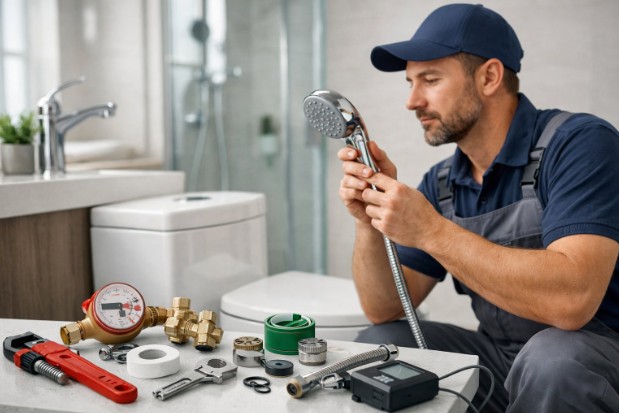
Eco-friendly plumbing upgrades usually fall into three categories. They help you conserve water, reduce waste through better maintenance, and use less energy to heat and move water in your home.
| Category | What it includes | What it prevents | How to verify |
| Water use reduction | WaterSense toilets, showerheads, faucets, aerators | Excess gallons per day and higher bills | Flow test, fixture specs, bill trend (US EPA) |
| Waste prevention | Leak detection, pressure regulation, shutoff valves | Hidden leaks and water damage | Pressure reading, alert logs, leak tests |
| Energy reduction | Heat pump water heater, pipe insulation, and recirculation controls | Hot-water energy waste and long waits | Temperature setpoint, runtime, comfort checks |
Many homes see meaningful reductions after fixing leaks and installing WaterSense-labeled fixtures, which are certified to use less water than standard models. Actual savings depend on the age of the baseline fixture and household habits.
If you’re ready to get started, call us now!
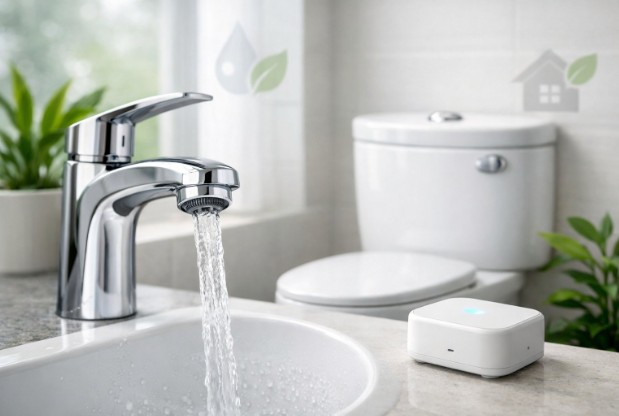
Start with the lowest-cost fixes that reduce daily waste immediately. Then upgrade the fixtures you use most, like showers and toilets, to lock in ongoing savings.
Finish with whole-home leak detection and automatic shutoff to prevent hidden leaks and sudden failures from turning into costly water damage.
Faucet aerators are the fastest win. They thread onto most faucets in minutes and reduce flow while keeping the stream comfortable for handwashing and dishes.
Many Portland residents can also request a free water-saving kit that may include aerators and other simple devices.
Check toilets for silent leaks using a simple dye test. Add a few drops of food coloring to the tank, then wait 10–15 minutes before flushing.
If color appears in the bowl, the flapper or fill valve is likely leaking and should be replaced. A basic flapper swap is inexpensive and often resolves the most common toilet leak.
Prioritize WaterSense-labeled fixtures because they are third-party certified to use less water than standard models while maintaining performance.
WaterSense showerheads are designed to use no more than 2.0 gallons per minute, reducing both water use and the energy required to heat the water.
Next, replace older toilets with high-efficiency models and consider dual-flush options where they fit your household routines.
For kitchens and bathrooms, pair efficient faucets with the right aerators to reduce flow without a frustrating user experience.
Whole-home leak detection provides additional protection after you improve your fixtures. These systems are installed on the main water line to monitor flow patterns and alert you to abnormal use that may indicate a hidden leak.
Many setups also include an automatic shutoff valve that quickly stops the water supply when a major leak is detected, reducing the risk of extensive damage.
Professional installation helps ensure compatibility with your plumbing layout and improves detection accuracy.
Next steps
Modern Plumbing PDX can audit your fixtures, leaks, and water heater, then prioritize eco-upgrades that reduce waste and maintain comfort. Schedule an appointment.
If you’re ready to get started, call us now!
Hot water costs come from two things. How efficiently the heater makes hot water, and how much heat and water you waste getting it to the tap.
The best upgrade depends on your household needs, where the unit will be installed, and whether you want maximum efficiency, maximum output, or the simplest installation.
Heat pump water heaters move heat rather than generating it directly, which is why they can be 2 to 3 times more energy efficient than conventional electric resistance water heaters.
Many ENERGY STAR-certified heat pump water heaters are described as using substantially less energy than standard electric models, which is why they are often the top “eco upgrade” recommendation when space and installation conditions fit.
Best fit
Planning notes that prevent disappointment
Tankless units heat water on demand, reducing standby losses and freeing up floor space.
They are a good fit when you want compact equipment and consistent hot water, but the right outcome depends on the fuel type, venting, incoming water temperature, and flow rate expectations.
Best fit
Reality check
Hybrid water heaters combine heat pump operation with resistance backup. They are useful when you want heat pump efficiency most of the time, but need extra recovery during peak demand.
Hybrid behavior and savings vary by settings, usage patterns, and the unit’s installation location.
Many Portland homes waste water while waiting for it to turn hot. Distribution upgrades target that waste by getting hot water to the fixture faster and reducing heat loss along the way.
Insulating the first sections of hot-water piping reduces heat loss between the heater and your fixtures, improves comfort, and can reduce how long you let water run before it heats up.
The EPA’s hot water distribution guidance emphasizes designs and upgrades that reduce wait time to save water and energy.
Water heater replacement typically requires a permit in Oregon. Oregon’s permit guidance explicitly lists replacing water heaters as permit-required plumbing work.
Oregon Building Codes Division guidance on replacing an existing water heater also highlights health and safety checks that may be triggered during replacement, including those related to high water pressure.
Proof to keep
| If your goal is | Most common best-fit option | Why it fits |
| Lowest operating cost on electric | Heat pump water heater | High efficiency compared with electric resistance tanks |
| Unlimited hot water feel and compact footprint | Tankless | On-demand heating, space savings |
| Balance efficiency with high peak demand | Hybrid | Heat pump most of the time, backup when needed |
| Less water wasted waiting for hot water | Distribution upgrades | Reduce wait time and heat loss |
If you’re ready to get started, call us now!
Modern smart plumbing systems detect hidden leaks before they get out of hand and can automatically shut off your water supply. They also track your daily water use, so you can spot waste and lower your bills.
Smart leak detection systems monitor your plumbing 24/7 and send alerts when they detect moisture or unusual flow patterns.
Some can detect leaks as small as a drop per minute, so you can address issues before you notice stains or higher bills.
The best setups combine leak sensors with automatic shutoff valves. When a leak occurs, the valve closes your main water line within seconds to prevent flooding.
Devices like the Phyn Plus use water-pressure monitoring to detect leaks in your pipes, while the Moen Flo system checks for abnormal flow rates that could signal trouble.
You can put sensors under sinks, near water heaters, and by your washing machine. Addressing leaks promptly prevents costly repairs later.
Smart shutoff valves often have pressure monitoring to protect your fixtures. High water pressure wears out seals, causes leaks, and shortens appliance lifespans.
These systems alert you when pressure climbs too high, so you can add a reducer. Keeping pressure in check helps your fixtures last and reduces the risk of burst pipes in winter.
Water monitors show you how much water you use each day and break it down by fixture. You’ll see exactly how much goes to showers, toilets, and even your sprinklers.
The system sends reports to your phone and can flag unusual spikes, such as a running toilet or a stuck valve.
Upgrading pipes and drains with modern materials and repair methods helps you avoid leaks, reduce repeat service calls, and prepare for future water reuse, such as greywater recycling.
Old galvanized steel and copper pipes corrode over time, developing pinhole leaks that waste water and damage your walls.
Cross-linked polyethylene (PEX) has become a go-to replacement because it resists corrosion, withstands freeze-thaw cycles better than rigid pipes, and typically costs less to install.
PEX piping also makes it simpler to add greywater recycling systems to your house. These setups collect water from showers, sinks, and laundry for reuse in gardens or toilets.
You’ll need separate drain lines for greywater, and PEX is flexible enough to snake through existing walls.
Your plumber may recommend partial repiping rather than replacing all pipes. Focus on pipes serving high-use fixtures or places where leaks would do the most harm. This targeted fix cuts water waste and helps prevent emergencies.
Trenchless repair methods fix underground pipes without tearing up your yard. Pipe lining uses an epoxy coating inside old pipes that hardens into a new pipe.
Pipe bursting smashes the old pipe while pulling a new one through the same route.
These methods save your landscaping and lower labor costs. They’re really handy if you want to add rainwater-harvesting systems that require underground connections to cisterns or tanks.
Trenchless repairs also work for connecting drip irrigation lines or smart irrigation systems that need water supply pipes running to various garden zones.
Slow drains waste water because you end up running the tap longer while you wait for the water to clear. Upgrading from 1.5-inch to 2-inch pipes improves flow and helps prevent clogs in high-traffic areas such as kitchens.
Greywater recycling requires dedicated drain lines with appropriate vents and filters. Your plumber can install three-way diverter valves to route water either to the sewer or to your greywater system, depending on the load.
If you’re adding rainwater harvesting with cisterns for storage, you’ll need overflow drains sized for big storms.
These can connect to storm drains or route to garden irrigation areas where the extra water actually helps your plants.
Start by reviewing how you use water now and identify which fixtures are driving up your bills or causing issues. A good plumber can run the numbers and help you target upgrades that’ll actually save you money.
Pull your water bills from the last three months to find your baseline. Most Portland homes use between 3,000 and 12,000 gallons a month.
If you’re over 10,000 gallons and don’t have irrigation, you probably have leaks or old, inefficient fixtures.
Walk around and check the age of each fixture. Toilets from before 1994 use 3.5 to 7 gallons per flush, while newer ones use 1.28 gallons or less. Showerheads older than 1992 operate at 5 gallons per minute, whereas WaterSense models use 2.0 gallons per minute or less.
Look for waste: dripping faucets, running toilets, or water stains mean you should call for plumbing maintenance.
Try the food coloring test—add some to your toilet tank and wait 15 minutes before flushing. If it shows up in the bowl, you’ve got a leak.
Fix leaks before investing in new fixtures. A running toilet can waste 200 gallons a day and cost you $50 to $100 a month. Licensed plumbers can find hidden leaks that you might miss.
After leaks, swap out your highest-use fixtures. Toilets use about 30% of indoor water, so that’s your best bet for quick savings. Showerheads are next, accounting for about 20% of your water use.
Depending on your situation, consider these priorities:
Water heater replacement commonly requires permits. Oregon’s permit guidance explicitly lists water heater replacement as permit-required work, and Portland provides local plumbing permit guidance for residential work.
Professional plumbers use flow meters to check your water pressure and flow rates at different fixtures.
If the pressure exceeds 80 PSI, your pipes can be damaged and start leaking. Pressure below 40 PSI? That usually indicates supply-line issues or a hidden leak.
They’ll also test your water heater’s recovery rate and look at the temperature setting. If the water exceeds 120°F, you’re wasting energy and risking burns.
Ask your plumber for a whole-house pressure test. They’ll close all the fixtures, connect a gauge to an outdoor spigot, and monitor pressure drops over about 30 minutes. If the pressure drops, you likely have an active leak somewhere in the system.
It’s also smart to request a fixture-by-fixture audit. That means your plumber will note gallons per flush for toilets and gallons per minute for faucets and showers.
With that information, you can determine where upgrades might save you money.
Your plumber should also inspect shut-off valves, supply lines, and drain systems for signs of corrosion or damage.
Ready to lock in lower bills and fewer leaks? Modern Plumbing PDX will document eco upgrades for permits and peace of mind. Contact us.
What are the best eco plumbing upgrades to start with in a Portland home?
Start with the lowest-effort upgrades that reduce daily waste. Install faucet aerators, fix any running toilets, and replace showerheads with WaterSense-labeled models. Those changes reduce water use fast and also cut hot-water costs. Then add leak detection and pressure testing if bills stay high.
Do WaterSense fixtures actually save water without reducing performance?
Yes. WaterSense-labeled fixtures are designed to reduce water use while meeting performance criteria for flow, spray, and flush effectiveness. They are a reliable baseline because the savings come from lower flow or flush volume, not from asking people to change behavior every day.
Is it better to fix leaks first or upgrade fixtures first?
Fix leaks first. A running toilet, a dripping supply line, or a failing shutoff valve can erase the savings you would get from new fixtures. After leaks are controlled, upgrading showers and toilets yields predictable long-term savings because those fixtures account for the largest share of indoor water use in most homes.
How do I know if I have a hidden leak?
A hidden leak often shows up as a higher bill with no lifestyle change, the sound of water running when all fixtures are off, or damp spots near cabinets and appliances. A simple meter check can confirm continuous flow. Whole-home leak detection adds monitoring and alerts.
Are heat pump water heaters worth it in Portland?
They can be, especially for homes replacing older electric tanks, provided there is a suitable garage or utility area. Performance depends on placement, household hot-water demand, and settings. The best outcome comes from right-sizing the unit and documenting the install for permits, warranty, and potential incentives.
When should I choose a tankless water heater instead of a heat pump water heater?
Choose tankless when space savings and on-demand hot water matter most, and your home can support the required venting and fuel supply. Tankless still has capacity limits based on flow rate. Right-sizing prevents a temperature drop when multiple showers and appliances run simultaneously.
Do I need a permit to replace a water heater in Portland?
Many water heater replacements require a permit and inspection, even when the swap seems straightforward. Permits protect safety and code compliance and support resale documentation. Plan early to ensure the project timeline and total cost are accurate.
What documentation should I keep after eco upgrades?
Keep a simple proof folder with invoices, model and serial numbers, photos of the completed install, and any permit and inspection records. Documentation supports rebates, warranty claims, insurance questions after a leak, and future troubleshooting or replacement planning.
Quick Links
Plumbing Services
SW Washington Service Areas
Oregon Service Areas