

Originally published: March 2026
Data Last Verified: March 2026
A burst pipe can flood a Portland home within minutes and cause thousands of dollars in structural damage. High-pressure water escaping from a cracked pipe quickly saturates drywall, insulation, flooring, and framing materials.
Portland homeowners should immediately shut off the main water supply, turn off electricity in affected areas, and contact a licensed emergency plumber for urgent repair. Acting quickly stops ongoing flooding and reduces long-term repair costs.
Cold winter temperatures across the Pacific Northwest frequently freeze exposed plumbing lines in crawl spaces, basements, garages, and attics.
When water freezes inside a pipe, expanding ice creates internal pressure that splits copper, PVC, or galvanized pipes. Knowing how to respond during a burst pipe emergency helps homeowners protect their property and limit water damage.
The first ten minutes after discovering a burst pipe determine how much water damage occurs.
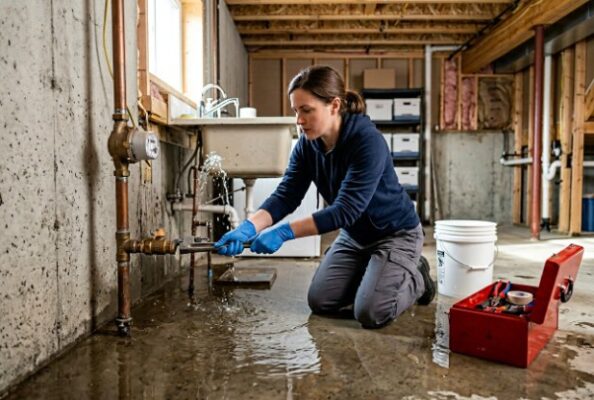
Every Portland homeowner should know the location of the main water shutoff valve. The main valve stops all water from entering the plumbing system.
Common shutoff valve locations in Portland homes include:
Turn the valve clockwise until it stops completely. Lever-style shutoff valves require a 90-degree rotation until the handle becomes perpendicular to the pipe.
Homeowners who cannot locate the main valve should temporarily shut off smaller valves under sinks or behind toilets. However, shutting off the main water supply is the most effective way to prevent flooding.
Routine inspections by licensed plumbing professionals can help homeowners identify shutoff valves and prepare for plumbing emergencies.
Water and electricity create serious safety hazards when pipes burst.
Homeowners should immediately turn off electrical circuits serving flooded rooms. Locate the home’s electrical panel and flip the circuit breaker controlling the affected areas.
Important safety precautions include:
Water damage affecting plumbing infrastructure may also require inspection by licensed professionals who provide plumbing repairs.
Burst pipes create hazards beyond water damage. Floodwater can weaken structural materials, expose electrical wiring, and damage natural gas lines.
Homeowners should call emergency services immediately if water contacts electrical panels or exposed wiring. Electricity traveling through water creates a severe electrocution risk.
Evacuate the property if structural instability appears. Warning signs include:
Gas leaks also require immediate evacuation. A sulfur or rotten-egg smell may indicate a natural gas leak. Emergency responders should handle gas hazards.
Homeowners who want to prevent plumbing emergencies should learn about common plumbing problems affecting Portland homes.
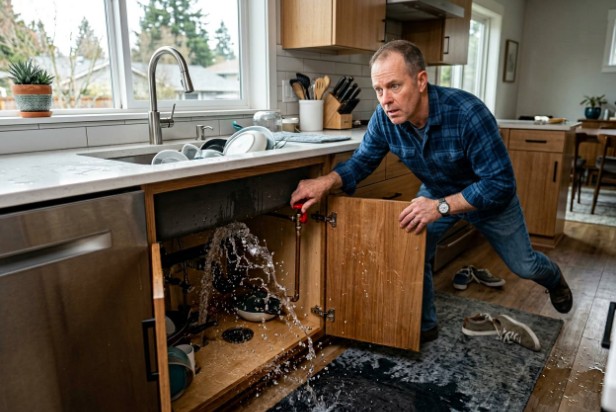
Residents must turn off electricity at the circuit breaker before entering flooded areas. Water allows electrical current to travel through flooring, appliances, and framing.
Homeowners should never attempt to reach an electrical panel while standing in water. Utility providers or emergency responders must disconnect electricity when flooding blocks safe access.
Signs of electrical hazards include:
Licensed electricians must inspect damaged wiring before electricity is restored.
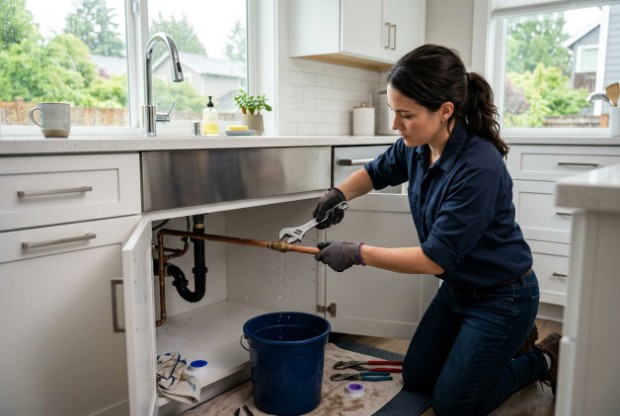
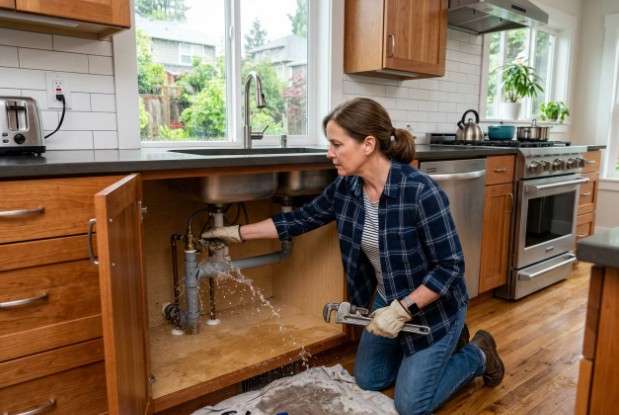
Stopping the water supply limits flooding, but homeowners must also contain existing water and stabilize damaged plumbing.
Temporary repairs can reduce leaks until a professional plumber performs permanent repairs.
Clean and dry the damaged pipe before applying repair materials.
Common temporary repair options include:
Waterproof pipe repair tape. Wrap the tape tightly around the damaged section, extending it several inches beyond the crack.
Pipe repair clamps. Place rubber padding over the damaged pipe and tighten the clamp evenly.
Epoxy repair putty. Press the putty into the damaged section and allow it to cure.
Temporary repairs reduce water loss but rarely solve the underlying problem. Professional leak repair experts should inspect and replace damaged pipes.
Some DIY repairs can increase damage.
Avoid the following actions:
Severe pipe damage may also affect underground plumbing systems and require professional sewer line repair.
Water leaks require immediate professional repair. Schedule expert plumbing repairs with Modern Plumbing PDX to quickly fix burst pipes and restore safe plumbing service.
If you’re ready to get started, call us now!
Burst pipe emergencies often require multiple professionals working together.
| Problem | Who to Call | Purpose |
| Active pipe leak inside the home | Emergency plumber | Repair pipe |
| Standing water or soaked floors | Restoration company | Water removal and drying |
| Leak near the water meter or outside the line | Utility provider | Shutoff at the street |
| Damage reimbursement | Insurance company | Claims processing |
A licensed plumber repairs the broken pipe and restores water service.
Homeowners should verify:
Homes built before 1950 frequently contain galvanized steel plumbing that corrodes internally. Experienced plumbers understand replacement options for aging systems.
Homeowners evaluating contractors should review common red flags for plumbers before hiring a plumbing company.
Property owners dealing with major leaks should contact a licensed Portland plumber specializing in emergency plumbing repair.
Water damage restoration companies remove standing water and prevent mold growth.
Restoration specialists perform:
Professional restoration equipment removes hidden moisture trapped inside insulation and wall cavities.
Homeowners should contact restoration specialists within 24 hours to reduce the risk of mold growth.
Utility companies handle problems involving the main water line or water meter.
Municipal utility providers may:
Homeowners should notify their insurance provider as soon as possible after discovering water damage.
Insurance claims typically require:
Many policies cover sudden pipe bursts but exclude long-term leaks caused by neglect.
Proper documentation helps homeowners recover repair costs.
Homeowners should:
Preventive maintenance, such as regular seasonal plumbing maintenance, reduces the likelihood of future insurance claims.
If you’re ready to get started, call us now!
Repair costs depend on pipe location, accessibility, and damage severity.
Average burst pipe repairs typically cost $400–$2,000, although complex repairs may exceed $5,000.
Older homes with aging plumbing often require full pipe replacement. Homeowners noticing corrosion or frequent leaks should watch for early warning signs described in the repiping signs.
| Repair Type | Cost Range | Duration | Best For |
| Temporary patch | $100–$300 | 1–2 hours | Small leaks |
| Pipe section replacement | $400–$1,500 | 2–4 hours | Moderate damage |
| Full repipe | $2,000–$5,000+ | 1–3 days | Aging plumbing |
| Underground repair | $3,000–$10,000+ | 3–7 days | Mainline failures |
Mold growth begins rapidly after exposure to water.
First 24 hours
Moisture saturates walls, flooring, and furniture.
24–48 hours
Mold spores begin colonizing damp building materials.
48+ hours
Visible mold spreads and remediation costs increase.
Professional remediation may cost between $500 and $6,000, depending on the size of the affected area.
Preventive maintenance reduces the risk of burst pipes during Portland winters.
Maintaining stable water pressure also protects plumbing systems. Homeowners experiencing low water pressure can review solutions to restore it.
Older homes and properties with exposed plumbing often require professional winterization.
Licensed plumbers inspect crawl spaces, outdoor pipes, and insulation to identify freeze risks.
Homeowners interested in long-term plumbing efficiency may also consider sustainable improvements, such as eco plumbing upgrades.
Preventive inspections reduce emergency plumbing risks and extend the lifespan of residential plumbing systems.
A burst pipe can damage walls, flooring, and electrical systems within minutes. Immediate professional repair prevents water damage from spreading through the property.
Modern Plumbing PDX provides rapid emergency plumbing repair, leak detection, and pipe replacement services throughout Portland. Contact Modern Plumbing PDX immediately if a burst pipe threatens your home.
How do I know if a pipe burst inside my wall?
Signs of a burst pipe include sudden water stains, bulging drywall, a drop in water pressure, or the sound of running water behind walls. Homeowners should shut off the main valve and contact an emergency plumber immediately.
Where is the main water shutoff valve in Portland homes?
Most Portland homes place the main shutoff valve in the basement near the front foundation wall, inside a crawl space near the water meter, or in an outdoor meter box near the street.
Should I turn off the electricity after a pipe bursts?
Homeowners should immediately shut off the electricity to flooded rooms. Water conducts electricity, creating shock hazards. Turning off circuit breakers before entering wet areas protects occupants and reduces the risk of electrical damage.
Does homeowners’ insurance cover burst pipes?
Most homeowners’ insurance policies cover sudden pipe bursts and resulting water damage. Policies typically exclude damage from long-term leaks or neglected maintenance, so homeowners should review their coverage and document any damage immediately.
How fast can mold grow after a burst pipe?
Mold can begin growing within 24 to 48 hours after water damage occurs. Quick water removal and structural drying prevent mold colonies from forming inside drywall, insulation, and flooring materials.
Who should I call first after a pipe bursts?
Homeowners should first shut off the main water valve, then contact a licensed Portland plumber to repair the pipe and stop active leaks before restoration professionals address water damage.
How much does burst pipe repair cost in Portland?
Burst pipe repairs typically cost $400 to $2,000, depending on pipe location and damage severity. Older homes with corroded plumbing systems may require larger pipe replacements or full repiping services.
Can freezing temperatures cause pipes to burst?
Freezing temperatures cause water inside pipes to expand, creating internal pressure that cracks plumbing lines. Portland homeowners should insulate exposed pipes and perform seasonal maintenance before winter temperatures arrive.
Quick Links
Plumbing Services
SW Washington Service Areas
Oregon Service Areas