

Originally published: May 2025 | Updated: August 2025
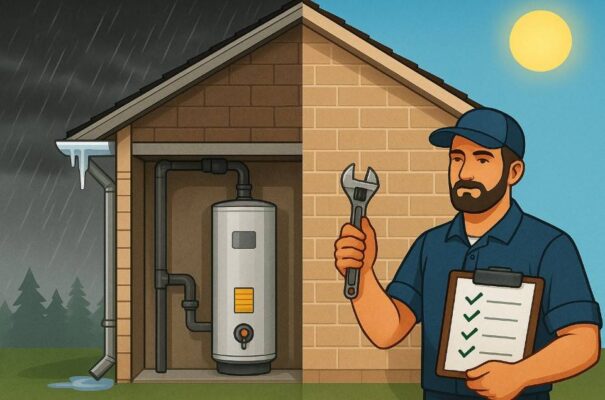
Living in the Pacific Northwest means dealing with heavy rain, chilly winters, and damp springs. All that moisture takes a toll on your home’s plumbing.
Taking care of your plumbing throughout the year can help you prevent expensive damage and keep your water system running smoothly no matter the season.
Preparing for each season helps avoid burst pipes, clogs, and water waste.
You’ll want to know the best ways to prepare your plumbing for wet weather, deal with falling leaves in the fall, and protect your pipes from winter freezing.
Simple steps, like cleaning drains and checking for leaks, can help prevent problems. This guide will show you how to prepare your plumbing for rain or shine.
The Pacific Northwest has wet winters, cool springs, and dry summers. These changing seasons directly affect your plumbing system and the maintenance it needs.
The Pacific Northwest is famous for long, rainy winters and damp springs. Because of this, your pipes and fixtures deal with constant moisture.
Condensation builds up on pipes, especially in cool basements or crawl spaces. Mold and mildew thrive in these conditions.
Leaky pipes or poor ventilation make things worse. You might notice musty smells, water stains, or even peeling paint around plumbing fixtures.
To lower your risk, check for drips, leaks, or puddles under sinks and around water heaters. Also, regularly inspect and clean drains, traps, and unused fixtures to prevent mold from spreading.
Using a dehumidifier in moisture-prone areas can help keep humidity levels in check.
Winters here might be milder than in other places, but cold snaps do hit. Even a few freezing nights can freeze and burst pipes, especially in unheated garages, basements, or exterior walls.
Plastic and copper pipes both face risks if temperatures drop below freezing. Pipes near exterior walls or in poorly insulated spaces usually have the most trouble.
Wrap exposed pipes with foam insulation to protect your plumbing and seal air leaks. Letting faucets drip a bit during very cold nights helps keep water moving and prevents freezing.
In summer, much of the Pacific Northwest deals with drier conditions or drought. Dry soil can shift or settle the ground around your foundation and underground pipes.
Settlement sometimes causes cracks or leaks in older, brittle water lines. During winter, the issue flips—heavy rain makes the ground soggy, putting pressure on buried sewer lines, septic systems, and basement walls.
This pressure can eventually cause clogs, water seepage, or sudden pipe breaks. Key signs to watch for include: unexplained wet spots in the yard, slow drains, strange smells, or water stains on your basement walls.
You should inspect outside plumbing at least twice yearly and act fast if you spot a problem.

Cold, wet weather can cause plumbing problems in homes. As the warmer months approach, taking care of a few specific tasks can help prevent leaks, water damage, and costly repairs.
Check every outdoor spigot and hose bib for signs of winter damage. Make sure each one turns on and off without leaks or weird noises.
If you spot cracks or see water dripping from the connection, replace the part immediately to prevent water waste and damage to your foundation.
Tip: Place your thumb over the opening and turn on the spigot. If water still flows, a cracked pipe from freezing could be inside. Look for swelling or discoloration on the pipe near each fixture.
These can be early warnings that something is wrong.
Spring rains can overwhelm your drainage system if it’s clogged. Clear leaves, pine needles, and debris from gutters at least once in spring.
Ensure downspouts direct water at least 3 feet from your home’s foundation. Do a quick check for sagging gutters or spots where water pools.
For French drains, lift the covers and remove any visible obstructions. Then, run a hose through the system to confirm that water flows freely.
Clean drainage systems direct water away from your house, reducing basement leaks and protecting landscaping.
Test your sump pump by pouring a bucket of water into the pit. The pump should turn on, remove the water, and shut off automatically.
If it makes odd noises or doesn’t clear the water, check for clogs or call a technician. Check valves keep water from flowing back into the sump pit.
Ensure the discharge pipe valve is secure and doesn’t stick. Clean or replace if needed.
Spring storms can quickly saturate the ground, so a working sump pump and valve are critical for keeping your basement dry.
Modern Plumbing offers expert plumbing repiping across the Pacific Northwest, perfect for homes affected by seasonal pipe shifts. Book your spring inspection today to avoid costly pipe failures later.
If you’re ready to get started, call us now!

Summer brings higher water use, which can stress plumbing. Checking for leaks and keeping water systems efficient helps prevent costly repairs and wasted water.
Too much water pressure can damage pipes and lead to leaks. In the Pacific Northwest, more people use sprinklers and irrigation systems for lawns and gardens during summer.
Keep an eye on them for leaks and clogs. You can also check your system with a water pressure gauge.
Ideal home water pressure is between 40 and 60 psi. If it’s higher, adjust the pressure regulator or call a plumber.
Sprinklers and hoses can waste water when they leak or spray unevenly. Inspect fittings, hoses, and connection points.
Using timers or smart irrigation controls helps save water by controlling when and how much you water your garden.
Warmer weather is a good time for water heater maintenance. Sediment from hard water builds up in your tank and reduces efficiency.
Flush your water heater at least once each summer. Turn the unit off, connect a hose to the drain valve at the bottom, and let water flow into a bucket or drain.
If you have a water filter or water treatment system, check and replace filters too. After flushing, look for rust, leaks, or bad odors.
If you notice any issues, call a plumber to check the unit. Regular maintenance keeps hot water ready for showers, laundry, and dishes.
Using greywater for irrigation helps save water during dry summer months. Greywater is gently used water from sinks, showers, and washers—never from toilets or kitchen sinks.
Make sure your greywater system doesn’t leak and is properly filtered to avoid odors and clogging. Clean filters and screens often.
If your area has hard water, consider a water treatment device before using it for your plants. Also, check valves and pipes to ensure greywater flows safely into your garden without pooling or flooding.
For gardens, only use greywater on non-edible plants. Proper system maintenance keeps everything running safely and efficiently.
Pacific Northwest falls bring heavy rain that tests your home’s drainage systems. Preparing your pipes, drains, and crawlspaces helps prevent flooding and water damage.
Check the drains and seals around your home’s foundation before the rainy season starts. Look for cracks or gaps where water could seep into basements or crawlspaces.
Any weakness in these spots can let in moisture, damaging walls and floors. Run water through exterior foundation drains to see if it flows freely.
Use a flashlight to spot blockages or signs of buildup inside the drain openings. If you see standing water near the foundation after rain, fix grading or drainage issues immediately. Suppose you notice gaps, seal perimeter joints with waterproof caulk. Schedule a professional inspection if you’re unsure of your foundation drainage setup.
Regular maintenance during dry weather prevents water damage later, especially during heavy fall rains.
When leaves start falling in autumn, storm drains and gutters can clog quickly. This leads to water pooling around your home and even basement leaks.
Remove leaves and debris from all gutters and downspouts with gloves or a small scoop. Run water from a hose down each downspout to check for blockages.
Pay extra attention to drains at the base of exterior stairs or driveways, where debris piles up easily. Check stormwater systems every few weeks during fall.
Suppose you have a yard with large trees. Rake and bag fallen leaves to prevent them from entering your drainage system. Regular clearing stops blockages and keeps water flowing away from your home.
Insulating exposed pipes is key to keeping them from freezing when temperatures drop. Focus on pipes in unheated locations, like crawlspaces, basements, or exterior walls.
Use pipe insulation sleeves or foam tape for quick, affordable coverage. Inspect your crawl space for signs of dripping water or high humidity, like musty smells or damp insulation.
Seal any visible air leaks with foam or caulk. Place vapor barriers on the ground to keep moisture levels down.
Check that crawlspace vents are clean and able to open and close as needed. A well-prepped crawlspace and insulated pipes lower the risk of winter pipe bursts, save money on repairs, and help keep your home comfortable through the colder months.
Before fall rains hit, ensure your storm drains and sewer lines are clear. Schedule professional drain cleaning with Modern Plumbing and protect your Portland home from surprise backups and floods.
If you’re ready to get started, call us now!
Colder winter temperatures in the Pacific Northwest can freeze exposed pipes, cause leaks, and put extra stress on your home’s plumbing.
Getting things ready before that first cold snap helps you avoid water damage and those wallet-draining repairs.
When it gets cold, outdoor faucets, garden hoses, and irrigation systems are the first to freeze. Disconnect and drain all hoses outside, and if possible, bring them inside. This keeps them from cracking.
Find the shut-off valve for each outdoor faucet or irrigation zone. It’s usually inside your house or maybe in the garage.
Turn these off so water stops flowing to the pipes in the cold. After you shut off the water, open the outdoor faucets to let any leftover water drain. Sometimes, you might need compressed air to clear sprinkler lines fully.
Cover your outside faucets with insulated foam covers. These slow down heat loss and help keep freezing at bay. If you skip these steps, you’re almost asking for burst pipes when the cold snap hits.
Unheated spots like garages, attics, and crawlspaces let cold air get to your water lines. Pipes in these places can freeze and crack quickly. Wrap every exposed pipe with foam sleeves or fiberglass pipe wrap.
Bends and joints need extra attention—they freeze first. To block drafts, seal any gaps or holes around pipes with caulk or expanding foam.
If your crawl space has vents, close them on cold nights, but open them again once the freeze threat passes so you don’t get moisture problems.
For pipes that are tough to reach, heat tape or heating cables work well. They plug in and give off steady, low heat. Good insulation keeps your plumbing working even in nasty weather.
Even if you prep everything, winter can still crack pipes. Watch your water usage for any weird spikes. If your water bill suddenly jumps, you might have a hidden leak or a burst somewhere.
Look over all visible pipes for moisture or frost, especially in basements and under sinks. Listen for running water in the walls or floors when all taps are off. If you have a water meter, try this:
Spotting leaks early saves you from bigger headaches.
Putting off plumbing maintenance usually means bigger bills later, especially in the Pacific Northwest, where all that rain can worsen leaks. Regular checks do help you save money and dodge nasty surprises.
Emergency plumbing services in Oregon cost a lot more than routine maintenance. If you call for help after hours or on weekends, plumbers charge $150 to $400 per hour, which is way above standard rates. Even fixing a small leak could cost several hundred bucks just for labor.
Need new parts or equipment? That bumps the price up fast. Some repairs, like swapping out a heat exchanger, need a licensed plumber and hours of work.
A standard repair during normal hours can cost $300 to $400, but emergencies push that number up quickly. Planning and getting regular inspections is the best way to avoid these high emergency plumbing costs.
Water can soak your walls, floors, and other belongings if a pipe bursts in minutes. Cleaning up and fixing all that damage can quickly become expensive.
Water damage restoration usually costs a few thousand dollars to well over ten grand, depending on the extent of the flooding and what needs replacing.
You might have to replace drywall, insulation, flooring, and wiring. Mold and mildew can start growing, which means more cleanup.
These jobs take time, and you often can’t use those rooms until everything’s fixed. Compared to regular maintenance, these surprise costs are a real punch to the gut for most families.
Your home insurance might not cover damage from burst pipes if you could have prevented the problem.
Many insurance companies check claims for proof of basic maintenance. They might deny your claim if you don’t have records showing regular checks.
Leaks from neglect are a common reason for denial, leaving you footing the bill for everything. Keeping up with seasonal plumbing checks shows you acted responsibly, making your claim more likely to be accepted if you ever need it.
Staying on top of maintenance protects your home—and your budget—when things go sideways.
Regular plumbing maintenance matters, especially for homes in the Pacific Northwest. The weather swings from endless rain to dry spells, and your pipes, drains, and sump pumps feel it.
Checklist for Each Season:
| Season | Common Tasks |
| Spring | Check for leaks after winter thaw. |
| Summer | Inspect outdoor faucets and hoses. |
| Fall | Clear gutters, prepare for rain. |
| Winter | Insulate pipes, test sump pumps. |
When the rain hits, give your sump pump a quick test every month. Take a look for leaks or drips in your basement and crawl spaces.
If you spot standing water or a whiff of mold, act fast before things get worse. For more tips, check out guides like the seasonal plumbing maintenance checklist.
Winter brings heavy rain, so your plumbing system works overtime. Clean out gutters and drains, and look for frozen pipes.
Just a few simple checks can save you a headache down the road. If you notice slow drains, water stains, or weird smells, it might be time to dig deeper for hidden plumbing issues.
Don’t wait until winter leaves you cold—Modern Plumbing provides fast, reliable plumbing services across Portland. Contact us today to schedule a seasonal upgrade you can count on.
How often should you perform seasonal plumbing maintenance?
You should perform plumbing maintenance at least twice yearly—once in spring and once before winter. These checkups help prevent leaks, clogs, and costly water damage.
What does a spring plumbing checklist include?
A spring checklist includes checking for pipe leaks, testing outdoor spigots, clearing gutters and drains, inspecting sump pumps, and flushing your water heater to remove sediment buildup.
Why is winterizing pipes important in Oregon?
Winterizing pipes prevents freezing, leading to burst lines and thousands in water damage. Oregon’s fluctuating winter temperatures put exposed or uninsulated pipes at risk.
What are the signs your plumbing needs seasonal attention?
Common signs include low water pressure, unexplained water bills, gurgling drains, or slow drainage, especially after storms or freezes. These may indicate hidden leaks or blocked lines.
Is professional drain cleaning necessary in the fall?
Yes. Fall leaves and debris can clog outdoor drains and stormwater systems, increasing flood risks. Professional cleaning ensures proper drainage before heavy Pacific Northwest rains.
How much does seasonal plumbing maintenance cost in Portland?
Basic seasonal maintenance typically costs $150–$300. Preventive service is far cheaper than emergency repairs, which can exceed $1,000 depending on the damage.
Quick Links
Plumbing Services
SW Washington Service Areas
Oregon Service Areas